Technology & Innovation
How Smartphone Technology Has Evolved in the Last Decade
Published April 1, 2026 • 6 min read
The smartphone industry has undergone a remarkable transformation over the past ten years. What started as simple communication devices have become powerful pocket computers that rival the capabilities of dedicated cameras, gaming consoles, and even professional workstations.
One of the most significant advances has been in mobile processor technology. Modern chips deliver performance that would have been unthinkable just five years ago, with multi-core architectures that handle everything from video editing to machine learning inference directly on the device. This shift toward on-device processing has also had major implications for privacy, as sensitive data no longer needs to leave the phone.
The Camera Revolution
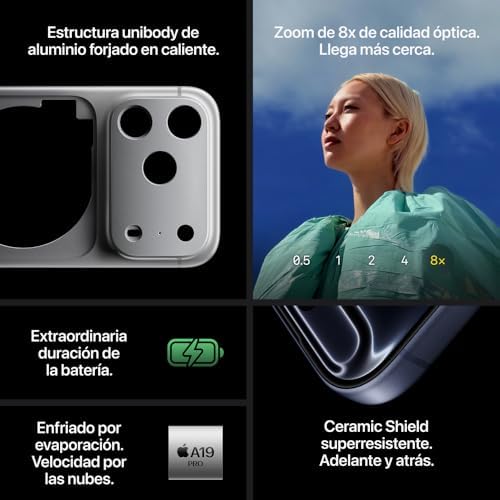
Perhaps no area has seen more dramatic improvement than mobile photography. Multi-lens camera systems now offer optical zoom ranges that were once exclusive to professional DSLR setups. Computational photography algorithms combine multiple exposures in real-time to produce images with extraordinary dynamic range and detail, even in challenging lighting conditions.
The integration of AI into the camera pipeline has been particularly transformative. Scene recognition, subject isolation, and automatic adjustments happen in milliseconds, making professional-quality photography accessible to everyone regardless of technical expertise.
Battery Life and Charging
Battery technology has also made significant strides. While the fundamental chemistry of lithium-ion batteries has remained similar, improvements in energy density, power management software, and more efficient processors have collectively pushed battery life well beyond what consumers experienced in previous generations. Fast charging capabilities now allow users to recover significant battery capacity in just minutes.
Display Technology
Modern smartphone displays have reached a level of quality that makes them suitable for professional color-critical work. High refresh rates provide smoother scrolling and more responsive touch interactions, while advances in OLED technology deliver deeper blacks and more vibrant colors with improved energy efficiency. Screen durability has also improved dramatically with newer ceramic and glass composites offering much better scratch and impact resistance.
Looking Ahead
As we look to the future, the pace of innovation shows no signs of slowing. Emerging technologies like advanced AI assistants, satellite connectivity, and foldable form factors promise to further expand what smartphones can do. The devices in our pockets will continue to become more capable, more efficient, and more integral to our daily lives.
© 2026 Tech Insights • All opinions expressed are those of the author.